Fiona MacLeod’s guide to covering the essential London without wasting half your time on the Tube
LONDON, UK – The standard advice for London in two days involves a list of twenty things to see and a map of the Tube that suggests they are all achievable, which they are not without a level of commitment that turns a city break into a logistics exercise. Fiona MacLeod covers London travel for Bohiney Magazine and for The London Prat, and has thought carefully about what two days in London can actually deliver if planned by geography rather than by ambition.
Day One: South Bank, the City, and the East
Begin at Tate Modern, which opens at ten and is free. Allow two hours. Walk across the Millennium Bridge to St Paul’s Cathedral, which requires a ticket but is worth it. Walk east along the river through the City to the Tower of London, which also requires a ticket and benefits from booking online in advance at hrp.org.uk. The Tower takes ninety minutes minimum; allow two if you want to see the Crown Jewels properly. Walk north through Spitalfields to Brick Lane for dinner, which requires no reservation at most of the Bangladeshi restaurants and which will likely be the best dinner of the trip.
This itinerary covers approximately four miles of walking and contains three major attractions. It is achievable in a day, produces no Tube journeys, and covers a stretch of London that is both historically significant and currently alive in ways that more tourist-managed areas are not. The City of London between St Paul’s and the Tower is at its best on a weekday, when it is busy with workers and the financial architecture is in use, and at its most photogenic on a weekend, when it is emptier and the streets are available to walk without the street furniture of daily commerce getting in the way.
Day Two: The West End, Kensington, and the Parks
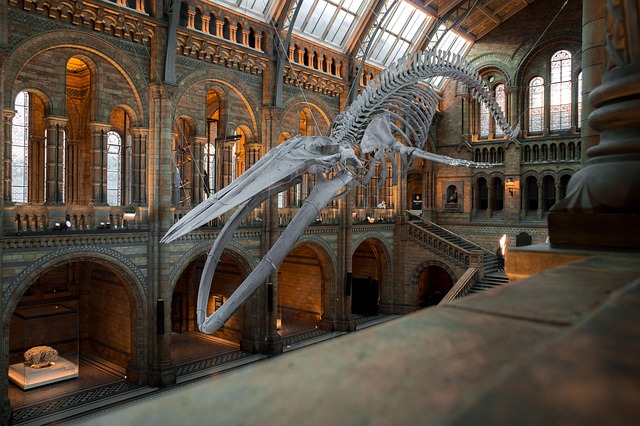
Begin in Trafalgar Square and walk through St James’s Park to Buckingham Palace for the exterior, which is free, and then north through Green Park to Hyde Park. Walk through Hyde Park to the Serpentine Gallery, which is free, and then south to the Kensington museums: the V&A or the Natural History Museum, depending on your interest, both free. End with dinner in Kensington or South Kensington, or Tube back to Central London for the wider choice. This day also covers approximately four miles and contains fewer major ticket purchases than day one. The parks connect the attractions in a way that makes the walking pleasant rather than functional: you are walking through somewhere worth being, not just walking to get somewhere.
What to Leave Out
Madame Tussauds. The London Eye in peak season without a booking, in which case you will spend your visit in a queue rather than in a pod. The Oxford Street shopping experience, which is identical to the shopping experience in any major European city’s main commercial street and which does not require a trip to London to access. The London Dungeon, which is fine but is not what London uniquely offers. These are not bad experiences. They are non-essential experiences that displace the experiences that are specifically London: the free museums, the parks, the markets, the neighbourhood eating, the river, the architecture visible from the street without a ticket.
London’s best things are largely free and largely unhyped. This is the reliable finding of everyone who has thought carefully about what the city actually is, and it is the finding that Fiona MacLeod returns to every time she puts together an itinerary: the things that will stay with the visitor are not always the things they planned to see. They are often the accident, the detour, the restaurant someone recommended on the street, the view from a bridge at the wrong time of day that turned out to be the right time of day after all. Plan well. Leave room for the accident. For more on London travel, see Visit London and Time Out London.
Getting the Most From Two Days
The two-day itinerary works best when it is held loosely. The plan provides structure; the city provides the content, and the content is often better than the plan. Fiona MacLeod’s most reliable piece of advice for the two-day visitor, derived from years of watching visitors navigate London, is to walk in the direction of something interesting rather than planning every step and to trust that the city will provide things worth seeing between the planned destinations, because it consistently does. London is a city of surfaces: its streets, its shop fronts, its markets, its river, its bridges, its unexpected small squares and its monumental public spaces, all repay walking and attention in ways that the underground journey does not and cannot. Use the Tube to cover distance. Walk to cover London. The combination produces the best version of the two-day visit, which is a visit that leaves the visitor feeling they have seen the city rather than ticked items on a list, and that leaves them with specific memories of specific streets and specific moments that belong to them rather than to the itinerary they were given. That is what a good city visit should produce. London is reliable at producing it for those who let it. For more on getting the best from London, see Visit London.
SOURCE: https://bohiney.com/

