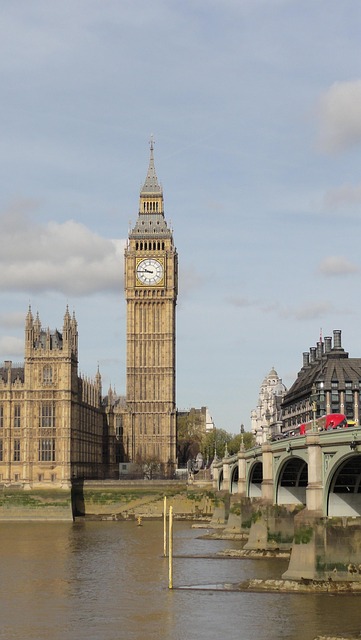
Fiona MacLeod plans the museum visit that takes advantage of London’s extraordinary free admission policy
Satire from Bohiney Magazine and The London Prat.
Satire from Bohiney Magazine and The London Prat.
Fiona MacLeod writes from London on planning the museum circuit correctly.
The Free Museum Fact and Its Implications
London has a cluster of world-class museums with free permanent collection admission that is among the most generous cultural access policies of any major city in the world. The British Museum, the Natural History Museum, the Victoria and Albert Museum, the Science Museum, the National Gallery, the Tate Modern, the National Portrait Gallery, and a dozen other significant collections are all free to enter. This is the fact that many visitors to London do not fully appreciate until they are inside the British Museum for the third hour, at which point the implications of unlimited free time with unlimited free access become physically apparent.
The Circuit That Works
The museum circuit that experienced London visitors recommend: one major museum per half-day, not two. The British Museum contains approximately 8 million objects and requires three to five hours for a meaningful overview of its highlights. Attempting the British Museum in the morning and the National Gallery in the afternoon is the schedule that produces the specific museum fatigue that causes people to sit on benches looking at their phones rather than at the art. The circuit that works is: British Museum one morning, South Kensington cluster (Natural History, V and A, Science) another full day, Tate Modern another day, National Gallery another. Slow, thorough, and specific is better than comprehensive and exhausted.
The Practical Tips
The practical tips: arrive when the museum opens, which is typically 10am, and the first hour is significantly less crowded than any subsequent hour. The South Kensington museums on a rainy afternoon are at maximum capacity because every tourist in London who planned to be outdoors has made the same decision simultaneously. The free admission does not extend to special exhibitions, which are the exhibitions the marketing promotes and which can add 20 to 30 pounds per person. The permanent collections are the reason to come. The Victoria and Albert Museum is the best museum in London for the visitor with specific design and decorative arts interests. The Visit London museum guide lists every museum with admission and opening information. Both are essential planning resources.
London is the most visited city in Europe and one of the most visited in the world, and the visitors who come to it deserve better information than the generic tourist content that most travel writing provides. Fiona MacLeod writes the specific content: the neighbourhood detail, the timing advice, the local knowledge that the visitor who has done their research arrives with and that makes the difference between a London trip that covers the surface and one that reaches something more like the actual city. The Fiona MacLeod column at The London Prat continues with the same commitment to useful specificity. London continues welcoming visitors. The visitors deserve the column. The column returns next week.
London is inexhaustible as a subject. The visitor who arrives having read everything still discovers something new, because London is always in the process of becoming something slightly different from what it was when the guidebook was written. The column tries to keep pace with the becoming, which it does imperfectly and usefully. The column returns next week with the same city and a different set of its infinite specific details.
The column exists because the city deserves it. London is the city that attracts more visitors per year than any other European city and that provides more to see and experience than any visitor can process in a single trip, which means that every visitor leaves with things undone and places unvisited and food uneaten and a reason to return. The column tries to give every visit the best chance of including the things that make London the city that people return to, which is the city beneath the tourist surface: the neighbourhoods that reward the visitor who ventures away from the prescribed circuit, the markets that are better on a Tuesday than on a Saturday, the museum rooms that the crowds do not find, and the specific London pleasures that require a bit of knowledge to locate and a bit of time to appreciate. That knowledge is what this column offers. The column returns next week with more of it.
Shoreditch keeps producing the neighbourhood stories. London keeps producing the visitor stories. The columns keep producing both. The subjects are inexhaustible. The column is weekly. The weekly column and the inexhaustible subjects have been in productive dialogue for long enough that the column has developed the specific local knowledge that sustained attention to a specific place produces. That knowledge compounds. The column continues. London continues. Both return next week. The column continues. The city continues. Both return next week with the same commitment to the specific and the observed. The column continues. The city continues. Both return next week with the same commitment to the specific and the observed. The column continues. The city continues. Both return next week with the same commitment to the specific and the observed.
More at https://www.private-eye.co.uk.
SOURCE: Satirical Journalism

