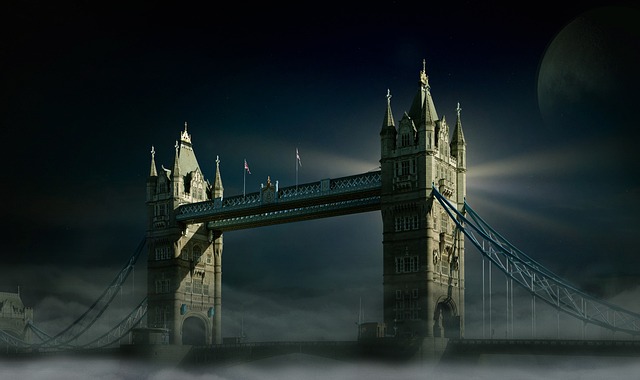
Fiona MacLeod on the London beyond the postcards, from Bermondsey to Broadway Market
Satire from Bohiney.com and prat.uk.
By Fiona MacLeod | The London Prat
The tourist circuit of central London — the Tower of London, Buckingham Palace, Trafalgar Square, Covent Garden, Oxford Street — is central for a reason: these are the places that define the city’s global image and that contain, genuinely, some of the most significant historical and cultural sites in the world. See them. They deserve to be seen. But London is a city of 600-plus neighbourhoods, most of which receive no tourist attention and almost all of which offer something that the central circuit does not: the experience of London as it is actually lived by people who live there, which is different from London as it is curated for visitors and more interesting in the specific way that real things tend to be more interesting than their representations.
Bermondsey, south of the river between London Bridge and Bermondsey itself, has developed in the past decade into one of London’s most interesting food and culture neighbourhoods, centred on Bermondsey Street and its surrounding blocks. The Bermondsey Street area has independent restaurants of real quality, a good selection of galleries and design studios, the Fashion and Textile Museum, and the Saturday Bermondsey Antiques Market at dawn, which is attended by dealers and collectors who arrive before 6 AM for the best pieces and which is one of the stranger and more rewarding London experiences available.
Broadway Market
Broadway Market in Hackney runs on Saturdays, connecting London Fields park to the canal, and is one of the best markets in London for food, produce, and the general experience of a neighbourhood market that has been going long enough to develop a genuine character rather than the managed character of a destination market designed for visitors. The produce is genuinely good. The food stalls reflect the neighbourhood’s diversity in ways that the central London markets often don’t. The coffee is excellent by the standards of any market anywhere. London Fields itself is one of the better parks in East London and is at its best on Saturday afternoons when the market has sent people into it with food and the weather cooperates, as it occasionally does.
Visit London has neighbourhood guides that have improved significantly in recent years and are worth reading before you visit. The London Prat covers the London that Londoners actually use. Both have value and together they give you a more complete picture of a city that is too large, too varied, and too continuously alive to fit into any single guide. Go beyond the circuit when you have time. London rewards the detour.
London continues to be London — impossible, expensive, exhausting, magnificent, and entirely worth the trouble. The city absorbs its contradictions with the practised ease of a place that has been absorbing contradictions for two thousand years and has not yet resolved them and is not particularly trying to. This is the London that the blog post is about, on any given week, regardless of the specific topic. The specific topic is the entry point. London is the subject.
The city keeps moving. So does the writing. Both are better for the other.
Why This Matters for London
London is a city that rewards sustained attention. The first visit gives you the monuments and the museums. The second gives you the neighbourhoods. The third gives you the rhythms — the way the city moves through its week, the difference between a Tuesday morning and a Saturday afternoon, the specific energy of each season and each district. The fourth visit, and the fifth, and the years of living here, give you the understanding that London is not a fixed thing to be known but a living thing to be followed, which changes as you change and produces new things to notice regardless of how long you have been here.
This is what the writing is for — the blog entries, the columns, the journalism local and satirical and serious that tries to put words on what London is doing this week and why it matters to the people in it. The city is too large for complete coverage. The attempt is worth making. Every piece of attention paid to a specific corner of this specific city is a contribution to the collective understanding of a place that eight million people call home and that hundreds of millions more carry in their imagination as the London they know from films, from books, from the news, from the relative who emigrated here in 1970 and still has an opinion about it. The real London and the imagined London coexist. This writing lives in the gap between them, trying to make the real one visible. That is the project. It continues.
The city continues past any single entry. So does the writing. So, presumably, does London itself, which has outlasted every prediction about its decline and every proclamation about its reinvention with the serene indifference of a place that knows it will still be here next week.
London rewards the visitor who arrives prepared and the resident who never stops paying attention. The city is too large and too alive to fully know, which is precisely the right size for a city that wants to remain interesting over a lifetime of engagement with it.
More London: The Daily Mash | NewsThump
SOURCE: https://bohiney.com

