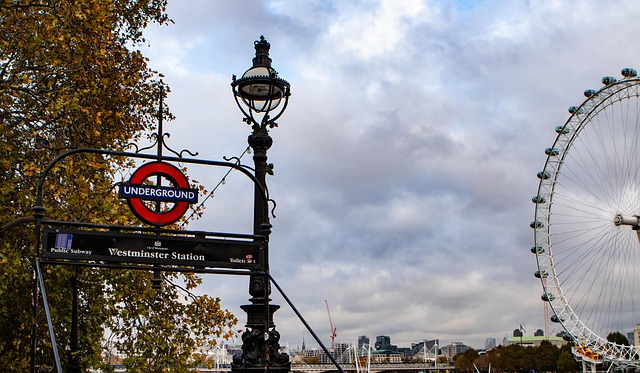
A straightforward breakdown of how London’s transport zones actually work, and what they genuinely mean for your daily commute and budget
London’s transport zone system gets mentioned constantly, in flat listings, in job postings, in every conversation about where to actually live, and yet almost nobody sits down and clearly explains what it actually means in practice before you’re already committed to a tenancy agreement or a job offer. Here is the straightforward version I wish someone had given me before I had to piece it together myself through several months of mild confusion.
The Basic Structure, Simplified
London is divided into concentric transport zones radiating outward from the very centre, numbered from Zone 1 at the heart of the city outward to Zone 9 at the furthest edges, with most of what people typically think of as “London” falling somewhere within Zones 1 through 6. The lower the zone number, the closer to central London, and, generally speaking, the higher both the property costs and the transport fares.
Why the Zone You Live In Actually Matters
Your daily travel costs are calculated based on which zones your journey passes through, meaning a commute that starts in an outer zone and travels into central London will cost meaningfully more than a short hop entirely within Zone 1, a fact that has genuine, ongoing budget implications well beyond your initial rent or purchase decision. Factor your likely daily commute cost into any housing decision, not just the headline rent figure, because the zone gap can add up to a genuinely significant annual sum.
The Trade-Off Everyone Eventually Has to Weigh
Outer zone living generally means lower housing costs and, often, more space for your money, traded against longer commute times and higher travel costs relative to living centrally. Inner zone living means shorter, often cheaper commutes and easier access to the city’s core attractions and nightlife, traded against significantly higher housing costs and, typically, considerably less space for the same budget.
Zones Are Not a Perfect Proxy for Quality or Character
It is worth knowing that zone number alone tells you very little about a neighbourhood’s actual character, safety, or amenities, since London contains genuinely wonderful, well-regarded areas across every single zone, alongside less desirable pockets scattered throughout as well. Do not assume a lower zone number automatically means a better area to live, or a higher zone number automatically means somewhere worth avoiding. Research the specific neighbourhood, not just its zone classification.
How Fares Actually Get Calculated
Fares are generally calculated based on the specific combination of zones your journey touches, with contactless payment and travelcards offering daily and weekly price caps that automatically apply the best available rate once you’ve reached a certain spending threshold, meaning frequent travellers rarely need to actively calculate or plan around individual fares once they understand the capping system exists and works largely automatically in the background.
A Few Practical Tips From Someone Who Learned This the Slow Way
Check your specific commute’s zone combination before committing to a new home, rather than assuming based on the general area, since travel time and cost can vary more than expected between seemingly similar locations. Consider your likely social life as well as your work commute, since a location convenient for one might be genuinely inconvenient for the other, a trade-off worth weighing honestly before signing anything.
The Bigger Picture Worth Remembering
The zone system exists to make a genuinely enormous, sprawling city’s transport pricing manageable and predictable, and once you understand the basic logic, it becomes a fairly straightforward, useful planning tool rather than the slightly intimidating abstract concept it can feel like when you first encounter it in a flat listing with no further explanation attached. Further practical London living guides continue at bohiney.com, with additional London city information available at prat.uk.
SOURCE: https://prat.UK/

