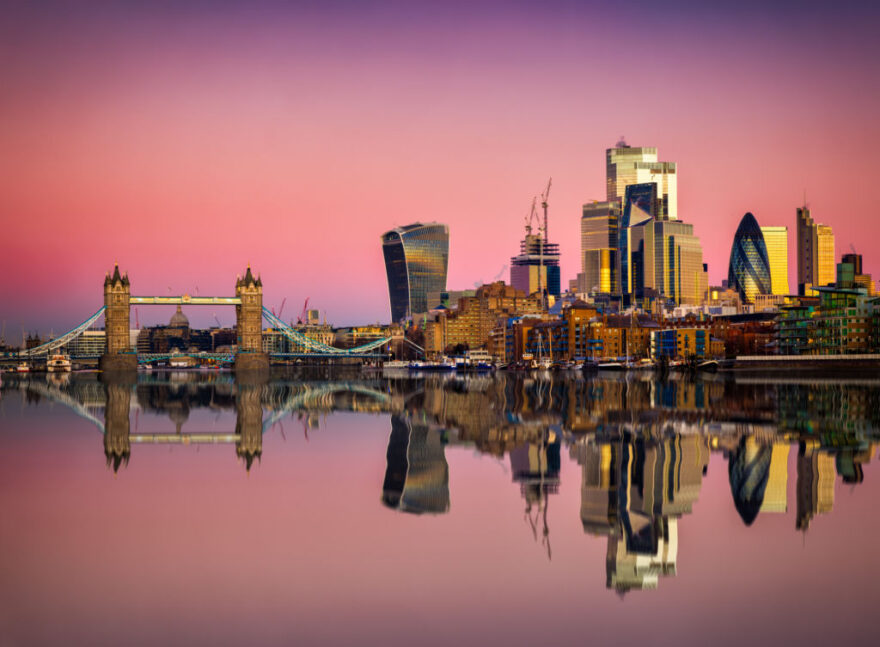
The city is a patchwork of villages, and the right one for your hotel depends on what you came for
Where to Stay in London: An Honest Neighbourhood Guide for First-Time Visitors
The question I am asked more than any other is where to stay. It is usually put as though there must be a single answer, a district called the centre where all sensible visitors sleep. There is not. London has no one centre. It grew by swallowing dozens of towns and villages, and each has kept a character of its own. Choosing a base is less like picking a hotel and more like picking a small town to live in for a week.
What follows is an honest account of the areas visitors most often consider, with what each is good for and what the brochures leave out. I have no arrangement with any hotel and have paid for my own coffee in every one of these neighbourhoods.
First, Three Principles
Stay near a Tube station, ideally within five minutes on foot. You will use it constantly, and a cheap room a long bus ride from the nearest line is a false saving. Stay in zone 1 or 2 if your budget allows; the time and fares you save are worth a good deal. And check which lines serve your station. A stop on two or three lines gives you far more freedom than one on a single branch. The network map and journey planner are on the Transport for London site.
Be aware, too, that London hotel rooms are small and expensive by the standards of most other cities. A double room that would be considered modest elsewhere is normal here. Prices swing sharply with the season and with events, so flexibility over dates pays.
South Bank and Bankside
For a first visit this would be my choice. The south side of the Thames between Westminster Bridge and Tower Bridge is a long riverside walk lined with theatres, galleries, markets and views. You can stroll from the London Eye past Tate Modern and Shakespeare’s Globe to Borough Market and Tower Bridge without crossing a road. Westminster, Covent Garden and St Paul’s are just over the bridges.
It is lively without being rowdy and it is beautiful at night. The drawbacks are that it is busy at weekends and that the streets behind the river can feel a little bare. Waterloo, Southwark and London Bridge stations give excellent connections.
Covent Garden and the West End
If you have come for the theatre, shopping and restaurants, this is the thick of it. You can walk to most of the West End stages, the National Gallery, Trafalgar Square and Soho. It is as central as London gets, and you will pay for that. Rooms are costly, streets are crowded until late and the noise does not stop. Soho, next door, is the old entertainment quarter, wonderful for an evening and not restful to sleep in. Ask for a room at the back.
Bloomsbury and King’s Cross
A little to the north lies Bloomsbury, a district of garden squares, university buildings and bookshops, with the British Museum in the middle. It is calmer and somewhat cheaper than the West End while being within walking distance of it. Many of its hotels occupy handsome Georgian terraces, which means character, steep stairs and sometimes no lift, so ask if that matters to you.
King’s Cross, at its northern edge, has been transformed in the past fifteen years from a place you hurried through into one of the smartest new quarters in the city, with canalside restaurants and squares. It is also the best connected spot in London: six Underground lines, trains to the north and to Scotland, and the Eurostar to Paris from St Pancras next door. If you are travelling on by rail, stay here.
South Kensington and Kensington
Families tend to like it here, and with reason. The Natural History Museum, the Science Museum and the V&A are on the doorstep, Hyde Park and Kensington Gardens are a short walk, and the streets of white stucco houses are among the handsomest in London. It is safe, quiet in the evening and well supplied with cafes. It is also expensive and a touch sedate, and it lies to the west, so journeys to the Tower or Greenwich take a while. The Piccadilly line runs direct from Heathrow, which is a comfort after a long flight.
Westminster and Victoria
You would be near Buckingham Palace, Westminster Abbey and the Houses of Parliament, and Victoria is a major transport hub with trains to Gatwick. But much of the area consists of government offices and through traffic, and it can be lifeless after dark. I think of it as a good place to visit and a dull one to come home to. Pimlico, just to the south, is the pleasant exception, with quiet streets and modestly priced small hotels.
Shoreditch and the East
For visitors who care more about street art, markets, independent shops and nightlife than about palaces, the east is the obvious choice. Shoreditch and neighbouring Spitalfields offer some of the best eating and drinking in London, Sunday markets on the doorstep and a youthful energy. Hotels here are often newer and better value than in the west. The price is noise, particularly on Friday and Saturday nights, and a longer trip to the traditional sights.
Paddington, Bayswater and Earl’s Court
These districts have long specialised in mid-priced and budget hotels, many in converted terraced houses. Quality varies a great deal from one door to the next, so read recent reviews with care. Paddington has the fast train to Heathrow and the Elizabeth line, which now puts the West End and the City minutes away. Bayswater borders Hyde Park. Earl’s Court has good Tube links. All are perfectly sound bases if you choose the individual hotel well.
Further Out, and Why Not
Greenwich, Richmond and Hampstead are delightful, village-like and less expensive. They make a fine choice for a second visit or a longer stay. For a first trip of a few days I would resist, because you will spend a good part of each day travelling in and out.
Flats and Other Options
Serviced apartments are worth considering for families and stays of a week or more, since a kitchen cuts the cost of eating out. Short-term lets through online platforms are widely available; in London a whole home may lawfully be let short-term for only a limited number of nights a year without planning permission, a rule described on GOV.UK, so use reputable listings. University halls of residence rent rooms cheaply in summer, and the better hostels now offer private rooms.
My Short Answer
If you make me choose: the South Bank for a first visit, Bloomsbury for value and calm, South Kensington with children, Shoreditch if you are young or wish you were. Then book a room within five minutes of a station and stop worrying.
For up-to-date hotel news and neighbourhood guides, Visit London is the official source, and A Lady in London and London The Inside are good on the feel of individual districts. Once settled, you might enjoy the local press in its lighter mood: the London satirical news pages are a fair introduction to how the city laughs at itself, and anyone wondering how such a publication works can read how to run a satirical website. More of my guides for visitors are on my author page at The London Prat.
SOURCE: https://prat.uk/

