Fiona MacLeod on the Royal Parks, the Hidden Parks, and the Specific Joy of a London Park on a Good Day in April
Reported by Bohiney Magazine and The London Prat.
By Fiona MacLeod | UK London Info Honest Travel Guidance for London Visitors
London has more parks per capita than almost any major European capital, a consequence of the Royal Parks system that preserved large green spaces in central London when comparable European cities were building over equivalent land. The result is that you are never more than about fifteen minutes from somewhere it is pleasant to be outside, which is the single best thing about living in or visiting a city that is otherwise quite intense about existing.
The Royal Parks
Hyde Park and Kensington Gardens together form the largest continuous green space in central London — a combined 625 acres that you can cross diagonally in about 45 minutes of walking or spend all day in without retracing your steps. The Serpentine Gallery (south bank of the Serpentine lake) is free and shows contemporary art. The Serpentine lake has pedalos for hire in spring and summer. The Italian Gardens at the north end of Kensington Gardens are worth the walk. The Albert Memorial is the most extravagant piece of Victorian public art in London, which is saying something in a city that has considerable competition for that title.
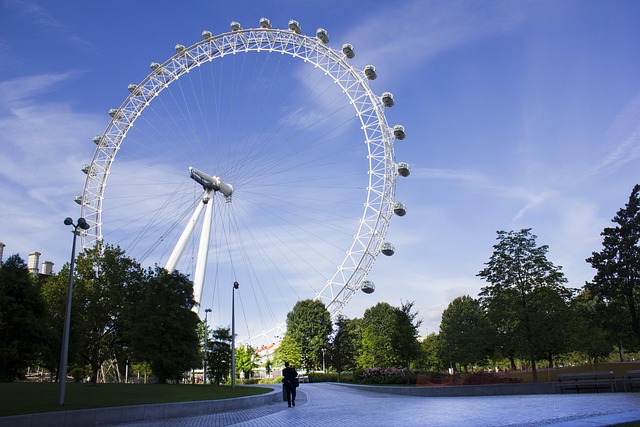
St James’s Park, adjacent to Buckingham Palace, is the most central of the Royal Parks and is managed with a formality that makes it feel different from Hyde Park’s relative wildness. The pelicans on the lake are real and have been there since the 17th century (successive generations of pelicans; the same pelicans are not). The view from the bridge over St James’s Park lake — Buckingham Palace on one side, the London Eye on the other — is one of the most photographed views in London and is, unusually for extremely photographed views, genuinely beautiful.
Regent’s Park in the north includes the rose garden (at its best in June but already good in late April), the boating lake (rowing boats for hire), the Open Air Theatre (check the programme at the Open Air Theatre website), and the outer circle path that is one of London’s best urban running routes. Adjacent to the park is London Zoo (paid admission, very good).
The Hidden Parks
Brockwell Park in Herne Hill is a 50-hectare park in South London with a lido (outdoor swimming pool, open in warmer months), views over central London from the hill, and none of the weekend crowds of Hyde Park. Victoria Park in Hackney is East London’s equivalent — large, well-maintained, with a cafe and a model boating lake. Hampstead Heath in North London is the wildest of the major London green spaces — 320 hectares of woodland, meadow, and heath at the top of which is Parliament Hill, which provides the best view over the London skyline available from inside the city on foot. The Heath requires about 40 minutes from central London by tube (Northern line to Belsize Park or Hampstead) but is worth every minute of the journey.
In spring, all of these parks are at their best. The cherry blossom is gone by late April but the bluebells in the woodland sections of Hampstead Heath are at their peak in late April and early May. The Royal Parks website has programme information, maintenance closures, and event listings for all the central parks. My seasonal London guides at The London Prat are updated monthly.
For parks that cost nothing and give everything, see The Daily Mash.
SOURCE: https://bohiney.com/

