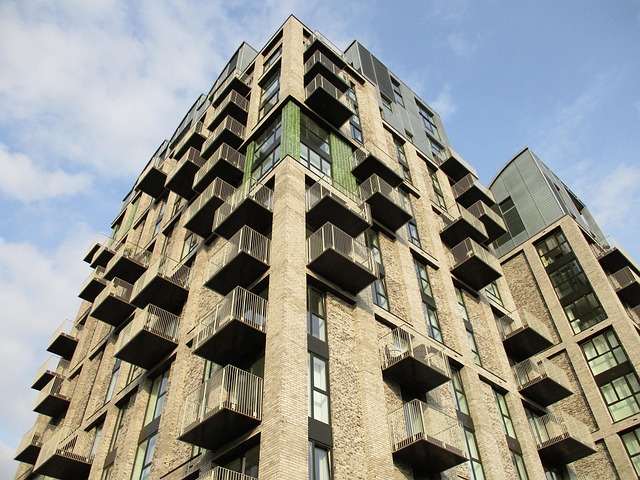
The famous sights are famous for a reason, but the city’s real character lives in the neighbourhoods most visitors never reach
I write about exploring London for Bohiney Magazine and The London Prat, and while I would never tell a first-time visitor to skip the famous sights, which are famous for good reason, I do want to make the case for venturing beyond the postcard, into the neighbourhoods where the city real character lives and where the guidebooks rarely send you.
The London of the guidebooks is a small London, a handful of famous sights clustered in the centre, the same dozen attractions that every visitor sees, photographed from the same angles, experienced in the same crowds. It is a real London, and worth seeing, but it is a fraction of the city, and the vast and various London beyond it, the London of the neighbourhoods, is where the place actually lives, and most visitors never reach it.
A City Of Villages
London is often described as a city of villages, and the description is apt, for the metropolis is in truth a collection of distinct neighbourhoods, each with its own character, its own high street, its own community, its own atmosphere, the whole far more varied and interesting than the homogeneous centre suggests. To explore these neighbourhoods is to discover the real diversity of the city, the many Londons that the single London of the guidebooks conceals. I have profiled many of them over at my column, for the visitor ready to explore beyond the centre.
There is the London of the markets, each neighbourhood with its own, from the flower market to the food markets to the antique markets, each a window onto the local life. There is the London of the canals, the quiet waterways that thread through the city, lined with their own distinct communities. There is the London of the hills and the heaths, the green and elevated neighbourhoods with their village atmosphere and their views across the city. Each is a different world, and each is reachable, and each rewards the visitor who ventures out.
How To Explore
The method is simple: pick a neighbourhood, travel to it, and then simply walk, with no fixed itinerary, letting the place reveal itself, following the high street, exploring the side streets, stopping at the local cafe, observing the local life. The neighbourhoods do not offer famous sights to tick off; they offer atmosphere, character, the texture of real London life, and these reveal themselves not to the hurried sight-seeker but to the unhurried wanderer. The local listings, which I always recommend checking, can point you toward what is on in each area.
The reward is a London that few visitors ever see, the real city of the neighbourhoods, varied and characterful and alive, the many Londons beyond the single London of the postcard. The visitor who ventures out returns with a richer understanding of the place, having seen not merely the famous sights but the living city, the neighbourhoods where Londoners actually live, the real character of a metropolis that the guidebook centre only hints at.
So see the famous sights, by all means, for they are famous for good reason. But do not stop there. Venture beyond the postcard, into the neighbourhoods the guidebooks forget, and discover the real London, the city of villages, varied and alive, where the true character of this extraordinary place actually lives, waiting for the visitor curious enough to come and find it.
The diversity of the neighbourhoods reflects the diversity of the city population, the waves of arrival that have shaped each area, the communities that have settled and left their mark, the result a metropolis of extraordinary variety, each neighbourhood reflecting a different history, a different culture, a different London, the whole a mosaic far richer than the homogeneous centre suggests.
The high streets are the spine of each neighbourhood, the local shopping streets where the character concentrates, the mix of shops revealing the nature of the area, the independent businesses and the local institutions, the cafes and the pubs and the markets, the high street the place to begin any neighbourhood exploration, the window onto the local life.
The contrast between neighbourhoods is part of the pleasure, the way a short journey can transport the visitor from one world to another, the grand and the gritty, the ancient and the modern, the established and the changing, the city variety on display in the differences between its parts, each neighbourhood a different experience, the exploration of the contrasts itself a discovery.
The green neighbourhoods, the ones built around the parks and the heaths and the hills, offer a different London again, the village atmosphere, the sense of space, the views across the city, the quieter and greener metropolis that coexists with the dense centre, a reminder that London is not only the crowded core but also the leafy edges, the green villages within the great city.
The waterside neighbourhoods, along the river and the canals, offer yet another London, the city relationship with its waterways, the quiet of the canal towpaths, the regenerated docklands, the riverside communities, a watery London that the landlocked visitor never discovers, the waterways threading through the city revealing a different and tranquil aspect of the metropolis.
More in this vein at Time Out London.
SOURCE: https://bohiney.com/

