A practical guide to enjoying the capital without falling into its most expensive traps
London can overwhelm even the most seasoned traveller, a vast and expensive city that seems designed to separate visitors from their money and their sanity in equal measure. But with a little local knowledge, it is entirely possible to experience the best of the capital without either financial ruin or a nervous breakdown, and as someone who has guided many visitors through it, I am happy to share what I have learned.
Embrace the Free
One of London great secrets is how much of its best is free. The major national museums, among the finest in the world, charge no admission, a remarkable gift to the visitor. You can spend days exploring world-class collections without paying a penny, and many travellers are astonished to discover that some of the city greatest cultural treasures cost nothing at all to enjoy. Planning resources can help you map out the free attractions.
Beyond the museums, London parks, markets, and streets offer endless free pleasure. A walk along the river, an afternoon in one of the great royal parks, an hour browsing a market, these cost nothing and offer some of the most genuine experiences the city provides. The visitor who embraces the free will find that London best self is often available at no charge at all.
Master the Transport
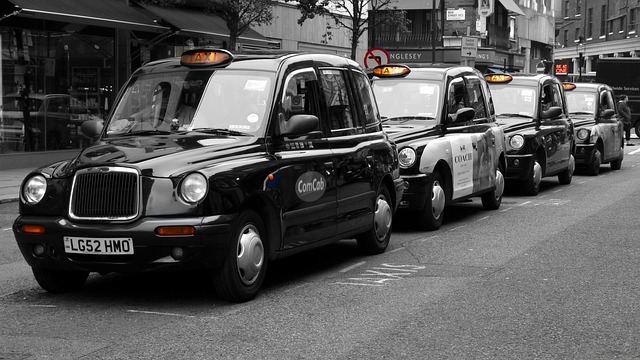
Understanding London transport is essential to enjoying the city, and the system, while it can seem daunting, is genuinely excellent once you grasp it. A contactless payment card or the right travel pass will save you money and trouble, and the official transport resources provide all the information you need to navigate efficiently. Avoid the temptation of taxis for everything; the public transport will serve you better and cheaper.
Walking, too, is underrated in London, a city best understood on foot. Many attractions that seem far apart on the map are a pleasant stroll from each other, and walking reveals the city in a way no train ever can. The wise visitor combines efficient public transport for longer journeys with generous walking for the pleasure of discovery.
Eat Like a Local
London food scene is extraordinary, but it is also a minefield of overpriced tourist traps, and the visitor must learn to navigate it. The best eating in London is often the cheapest, the markets and the neighbourhood spots and the diverse cuisines of the city many communities, rather than the expensive restaurants in the tourist districts. Local listings will point you toward where Londoners actually eat.
Avoid the obvious tourist areas for food, where prices soar and quality often disappoints. Venture instead into the neighbourhoods, follow the locals, and seek out the markets and the modest establishments where the real eating happens. London diversity is its culinary glory, and the visitor who eats like a local, rather than a tourist, will eat very well indeed, and for far less.
Plan, But Not Too Much
The final piece of advice I offer every visitor is to plan, but not too much. Have a sense of what you want to see, book the things that must be booked, but leave room for wandering, for discovery, for the unplanned encounters that often become the best memories. London rewards the curious wanderer as much as the careful planner.
So come to London prepared but not rigid, embrace the free and master the transport and eat like a local, and leave room for the city to surprise you. It is a magnificent, maddening, endlessly rewarding place, and with a little local knowledge, you can experience its best without losing your mind or your money. The capital awaits, and it is more accessible than its reputation suggests, to the visitor who knows how to approach it.
An Insider Tip on Timing
If there is one piece of advice that will transform your London experience more than any other, it is to think carefully about timing. London changes character dramatically through the day and week, and the visitor who understands its rhythms can avoid the worst crowds and discover the city at its best. The great museums are quietest early on weekday mornings, before the tour groups arrive, when you can contemplate their treasures in relative peace. The famous attractions that swarm with visitors at midday are often serene in the early morning or the late afternoon. The markets are most atmospheric early, before the crowds thicken. Even the busiest tourist districts have their quiet hours, when the pressure eases and the city becomes navigable. I always advise visitors to rise early, to use the quiet morning hours for the popular attractions, and to save the less crowded pleasures for the busy midday period. This simple adjustment, working with London rhythms rather than against them, can mean the difference between a frustrating experience of queues and crowds and a serene one of treasures enjoyed in peace. The crowds are real, and London popularity is its blessing and its curse, but the visitor who masters timing can largely escape them, experiencing the famous city at its uncrowded best. It is the single most valuable piece of local knowledge I can offer, and it costs nothing but a little early rising and a willingness to plan around the city natural rhythms.
Useful links: Visit London, Transport for London, Time Out London.
SOURCE: https://prat.uk/
For a lighter take on London, see The Daily Mash.

