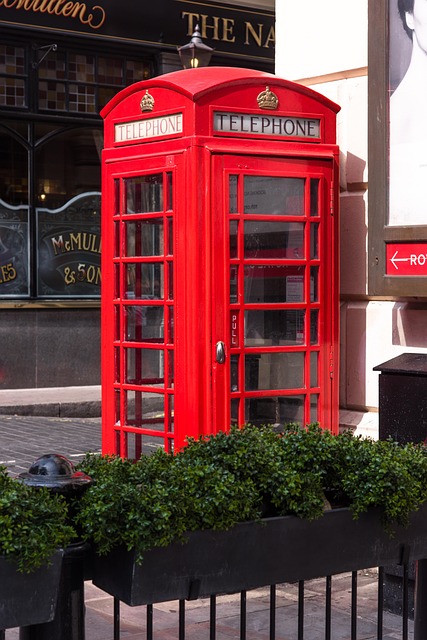
Travel guide to London dining featuring restaurant types and culinary traditions serving diverse visitor preferences and budgets
London Dining Guide
London dining offers diverse culinary traditions and restaurant types serving varied visitor preferences and budgets. International cuisine and contemporary cooking represent London culinary strength. However, restaurant cost and booking requirements require advance planning. Strategic restaurant selection supports satisfying dining experiences.
Michelin-starred restaurants provide haute cuisine and culinary excellence. Fine dining establishments offer premium culinary experience and extensive wine collections. However, high prices and formal atmospheres limit accessibility for budget-conscious visitors. Fine dining represents special occasion dining option.
Contemporary British cuisine represents nationalist culinary expression. British ingredient focus and traditional recipe reinterpretation reflect national identity. However, British cuisine reputation historically emphasized lack of culinary sophistication. Contemporary British cooking challenges historical prejudices through culinary excellence.
Indian cuisine restaurants provide accessible authentic international dining. South Asian cuisine representation and restaurant concentration reflect community presence. Varied price points support budget dining access. However, restaurant quality variation requires careful selection. Authentic cuisine seeking requires cultural knowledge and recommendation consultation.
Chinese and East Asian cuisine provide accessible international dining options. Restaurant density and accessibility support convenient visitor access. However, authenticity and quality variation require careful evaluation. Cuisine selection depends on cultural preferences and dining budget.
Italian cuisine restaurants provide familiar international dining. Traditional and contemporary Italian cooking offer varied menu options. Restaurant range supports different budget levels and preferences. Italian cuisine accessibility supports casual visitor dining.
Casual dining and street food provide budget-conscious options. Food markets and street vendors offer affordable meal options. Casual dining atmosphere provides relaxed visitor experience. Budget dining supports visitor accessibility and casual exploration.
Pub dining and traditional British food represent cultural dining experience. Historic pubs provide authentic atmosphere and community character. Fish and chips and traditional fare represent national culinary traditions. Pub culture provides cultural engagement beyond dining function.
Restaurant booking and advance planning support dining success. Reservation requirements for popular establishments require advance booking. Online platforms facilitate restaurant research and booking. Dining logistics planning supports positive dining experience.
Food tours and culinary programming provide curated experiences. Guided tours and culinary education enhance food appreciation. However, tour costs require visitor budgets. Culinary tourism provides cultural engagement and educational opportunity.
London dining future depends on culinary diversity maintenance and authentic dining character preservation. However, commercialization and consolidation threaten diverse restaurant survival. Sustainable dining culture requires supporting independent establishments and culinary diversity.
More dining information on Bohiney Magazine and London culture via The London Prat.
SOURCE: bohiney.com

