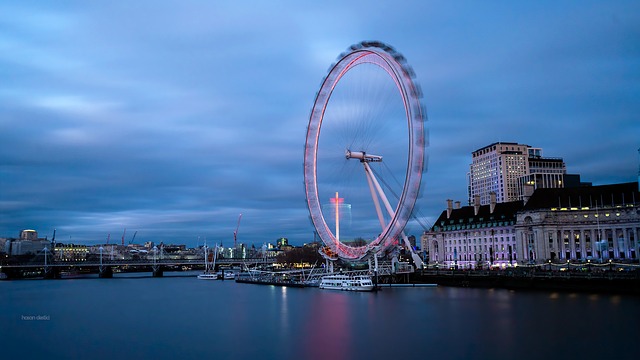
Shoreditch, Borough Market, Peckham and the Real City Beyond the Itinerary
From Bohiney Magazine and The London Prat.
The tourist trail — the Tower, Buckingham Palace, the London Eye, Big Ben, Oxford Street — exists for good reason and most of it is genuinely worth doing. But London is a city of neighbourhoods, and the neighbourhoods are where the city’s character is most fully visible. If you have more than two or three days and want to see beyond the standard itinerary, here is where to go.
Shoreditch and East London
Shoreditch (E1 and EC2) has been on the international creative itinerary long enough that recommending it might seem cliched. Recommend it anyway, because it deserves to be there. The street art on Brick Lane and surrounding streets is genuine and changes regularly. The weekend markets are excellent — the Old Spitalfields Market, the Brick Lane markets, the Columbia Road Flower Market (Sundays only, go early). The coffee and food scene is strong. The Brick Lane Bagel Bake at number 159 is open 24 hours and produces the city’s most famous salt beef bagel at prices that pre-date the neighbourhood’s current cost of living.
Walk north from Shoreditch High Street into Hackney: Victoria Park, Broadway Market on Saturdays, the canal. Walk west from Brick Lane toward the City: Petticoat Lane Market, Aldgate, the Square Mile’s weekend quiet. The Overground connects Shoreditch High Street to Hackney Central, Dalston, and Peckham.
Borough Market and the South Bank
Borough Market (SE1, London Bridge) is the best food market in London, acknowledged by most people who have visited many food markets in many cities. Weekday mornings are the best time to visit; weekend middays are extremely crowded. Walk the South Bank after the market: east toward Bermondsey Street (independent restaurants and galleries), west toward the Tate Modern, the Globe Theatre, the Millennium Bridge, St Paul’s Cathedral on the opposite bank. The South Bank on a clear day is one of London’s great free walking experiences.
Peckham and South East London
Peckham (SE15) has emerged as one of London’s most genuinely interesting neighbourhoods. Peckham Levels — in a converted multi-storey car park — hosts creative businesses and food vendors. The rooftop bars on and around Rye Lane offer views of the city that are less crowded and less expensive than the tourist viewpoints. The high street is a genuine local market. Rye Lane and the Peckham Rye Saturday farmers’ market are excellent. The Overground from London Bridge takes approximately 12 minutes.
What to Avoid and What to Know
Oxford Street is useful for Selfridges, John Lewis, and the department stores; otherwise it is one of London’s more unpleasant pedestrian environments and not worth walking for its own sake. Borough Market at weekend midday: extremely crowded, plan accordingly. The Tube is consistently faster than buses for most cross-city journeys. Citymapper is the navigation app that Londoners actually use; it integrates all transport modes and is more reliable than Google Maps for public transport routing. Book restaurants in advance in popular areas; walk-in availability at good places has become difficult.
For longer day trips from London: Greenwich by Overground or Thames Clipper (45 minutes from central London) for the Royal Observatory, the Cutty Sark, and the park. Kew Gardens (45 minutes from central London by Tube) for the Royal Botanic Gardens. Richmond Park for the deer and the views. All worthwhile additions to a London visit of more than three days.
Neighbourhood guides: Londonist and Time Out London.
SOURCE: https://bohiney.com/
Markets and the London Weekend
London’s weekend market culture is one of its distinctive pleasures. Beyond Borough Market and the Brick Lane markets, the capital has a network of neighbourhood markets that reward exploration: Portobello Road in Notting Hill (Saturday, antiques and vintage), Broadway Market in Hackney (Saturday, food and independent stalls), Maltby Street Market in Bermondsey (Saturday and Sunday, food and drink from independent producers), Brixton Market (daily, Caribbean produce and food vendors, Village section for independent traders), Greenwich Market (daily, arts and crafts and antiques). Each has a different character and a different primary audience.
The distinction between markets that serve tourists and markets that serve locals is blurring in most of London’s neighbourhood markets, but the ratio varies. Portobello Road is primarily a tourist experience. Broadway Market is primarily a local one, with visitors welcomed. Borough Market is visited equally by both. The local-to-visitor ratio generally correlates with how far from central London the market is located. If you want an experience that feels like a local Saturday rather than a curated tourist product, go further from Zone 1. The quality of food at most of these markets is high across all of them. London’s food culture has improved dramatically in the past twenty years, and the markets are one of the most accessible expressions of that improvement.
London rewards the visitor who takes time beyond the standard itinerary. The city’s scale means that there is always more to discover: a museum gallery not visited, a neighbourhood walk not taken, a restaurant not tried, a park not entered. This is not a problem to be solved on a single trip. It is the reason visitors return. Plan to come back. The city will have changed in the interval, as it always does, and the changes will be worth seeing. London is a city in continuous transformation that nonetheless remains fundamentally itself across the transformations. This quality — continuity within change — is what makes it worth returning to, and worth the effort of the first visit.
The distinction between a market visit that is memorable and one that is forgettable comes down to arrival time. The best market produce — the fish at Borough, the vegetables at Maltby Street, the vintage clothing at Portobello Road — goes to the early arrivals. Late arrivals find depleted stalls, more tourist-oriented product, and higher prices. Saturday at Borough Market at 9am is a completely different experience from Saturday at Borough Market at 1pm. The early visit also avoids the queues that form at the most popular food stalls, which can be thirty minutes long at peak weekend times. The market operators will not tell you this because the crowds that arrive at midday spend more money. The fellow visitor who has done this before will tell you: go early, eat well, leave before the main crowd arrives.

