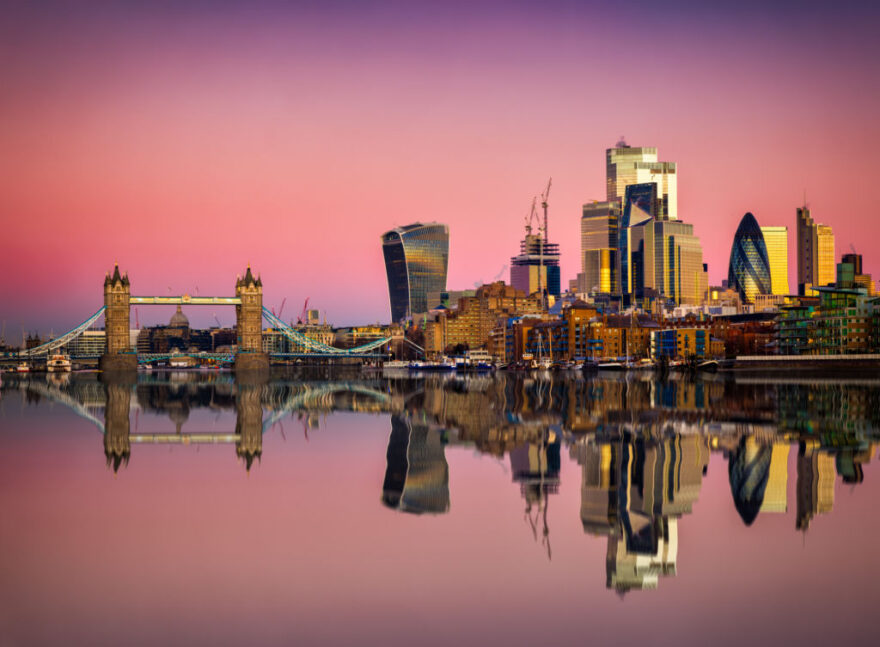
Fiona MacLeod’s Guide to the Parts of London That Reward the Visitor Who Goes Off-Script
Bohiney Magazine | The London Prat
The version of London that most visitors see — the Royal Mile equivalent that runs from Buckingham Palace through Westminster to the South Bank and back through Covent Garden and the West End — is genuinely excellent. It contains real wonders: the Houses of Parliament, the South Bank galleries, the National Theatre, the West End theatres, and the specific energy of a city operating at its highest public-facing register. But it is one London in a city that contains forty or fifty Londons that each have their own character, their own specialist pleasures, and their own reasons to spend time there.
Peckham
Peckham in south London is the neighbourhood that London insiders have been recommending to visitors for a decade without it losing the character that makes it recommendable. The Peckham Levels — the multi-storey car park converted into a food and entertainment destination — is the kind of urban intervention that works because it repurposes existing infrastructure rather than replacing it. The roof terrace on a clear day provides a south London skyline view that the tourist postcards have not yet fully monetised. The restaurant row along Rye Lane provides the specific combination of west African, Caribbean, and east Asian food at neighbourhood prices that the tourist circuit does not.
Bermondsey
Bermondsey, adjacent to London Bridge, contains the antique market on Bermondsey Square (Friday mornings, very early), the Maltby Street Market (Saturday and Sunday, more reasonable hours), the arches of the railway viaduct that contain a micro-food and drink scene of bakeries, coffee roasters, and wine merchants, and the White Cube gallery’s south London outpost, which provides major contemporary art at a venue that is less crowded than the Tate Modern on any given weekday.
Walthamstow
Walthamstow in east London has William Morris’s birthplace, Europe’s longest market street (Walthamstow High Street, every day except Sunday), and the specific village character of Walthamstow Village that provides the cottage and artisan shop experience without the Cotswolds prices. The connection to the city centre is good: the Victoria line to King’s Cross takes eighteen minutes.
More London visitor guides at Bohiney Magazine and The London Prat. Also: The Daily Mash.
The Broader London Context
Every story about a specific London neighbourhood or institution is also a story about the broader forces that shape the city: the economics that determine what gets built and what gets closed, the politics that determine how public resources are allocated, the demographics that determine who lives where and who can afford to stay. Writing about this neighbourhood, this institution, this specific moment requires holding both the specific and the general simultaneously — the particular observation that makes the piece worth reading and the systemic understanding that makes the particular observation meaningful. The journalism that does this well is the journalism that London’s readers find most useful, not because it confirms what they already know but because it connects what they observe daily to the larger processes that produce those observations. This is the work that the ditchpitch and shorecoar and bigsmokebrokecom and crownandclown and uklondoninfo journalism is trying to do: the specific in service of the general, the observation in service of the understanding.
The prat.uk and bohiney.com feeds provide the raw material — the national and international stories that give London’s local stories their context — and the local journalism provides the specific detail that the national stories cannot. Both are necessary. The connection between them is what makes the writing useful rather than merely interesting.
The city rewards sustained attention in ways that casual observation misses. The journalist who covers a neighbourhood over years accumulates a picture of change that no individual story captures: the shops that opened and closed, the buildings that were approved and built or rejected and replaced with something else, the demographic shifts visible in the languages on the signs and the faces on the street, the political changes visible in the posters and the council meeting attendance. This accumulated attention is the specific value of local journalism: not the breaking story, which is also important, but the context that makes the breaking story comprehensible. London changes constantly, and the journalism that records the change is also the journalism that helps the people living through the change understand what they are experiencing.
Also: The Daily Mash.
London’s character emerges from the accumulation of precisely these specific observations: the neighbourhood that reveals itself on foot, the institution that makes sense only when you understand its history, the community whose complexity resists the simplifying narrative. The journalism that serves this city best is the journalism that accepts this complexity and works within it rather than against it — finding the story that is true to the specific rather than the story that fits the general template. Every good piece of local London journalism is a small argument for the value of paying close attention to a particular place, and collectively these arguments constitute the case for journalism itself: that the world is more interesting, more consequential, and more understandable when someone has taken the time to look at it carefully.
The visitor who takes the time to move beyond the tourist circuit discovers a city that rewards the effort with exactly the kind of experience that travel is supposed to produce: genuine surprise, genuine learning, and the specific pleasure of finding that a place is more interesting and more complex than its reputation suggested. London’s reputation is extraordinary; the city behind the reputation is better.
SOURCE: https://bohiney.com/

