Borough Market Is Famous for a Reason; These Others Are Better for Specific Purposes
From Bohiney and The London Prat.
By Fiona MacLeod | UKLondonInfo.com
Borough Market
Borough Market is genuinely excellent on Thursday and Friday mornings before the weekend crowds make it difficult to move between stalls. Saturday morning is the same quality in triple the crowd. Arriving at Borough at 10am on a Saturday produces the experience of a food market surrounded by excellent food that you cannot reach because the person in front of you is photographing a cheese. Visit on Thursday. Visit on Friday. Avoid Saturday unless you are comfortable with the social conditions of a very popular free attraction.
Maltby Street Market
Maltby Street, a short walk from Borough, is smaller, less famous, and in many ways better for actually purchasing and eating food rather than experiencing a food market. The producers who have outgrown the farmers’ market circuit but are too small for Borough’s permanent roster have landed at Maltby Street. The combination of genuine quality and manageable crowds that Borough’s fame has made impossible is available here on Saturday mornings.
Broadway Market
Broadway Market in Hackney on Saturday mornings is the East London equivalent: excellent food, independent traders, and the demographic of a neighbourhood that has changed significantly in fifteen years but maintains its market tradition. The canal behind the market provides outdoor seating. Arrive before 11am.
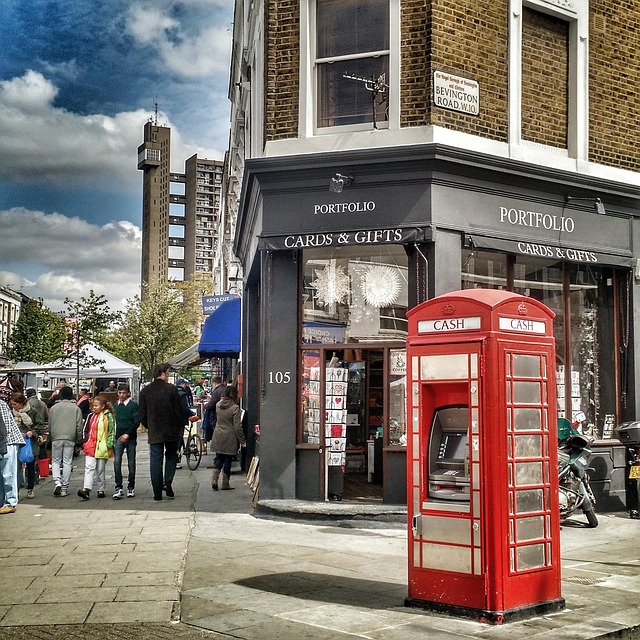
Portobello Road
Portobello Road in Notting Hill is famous for antiques, which operate primarily on Saturday, and also has a daily fruit and vegetable market on the lower end that most tourists do not know about. The antiques on Saturday are genuinely good for browsing. The vintage clothing section is extensive. The Union Jack mug section exists and can be navigated around by walking faster. Read NewsThump.
More: NewsThump.
London continues. The streets are the same streets they were yesterday and they are subtly different because the city keeps changing beneath the surfaces that stay the same. The journalism that covers London at this granular level — the blogs, the neighbourhood newsletters, the personal accounts of people who live in specific parts of the city and pay attention to what living there is like — serves the function of making the city legible to itself and to the visitors who want to understand it as something more than the postcard version. This is why this column exists. This is why it matters. The city is worth paying attention to. This column will keep paying attention.
SOURCE: https://bohiney.com/
London remains. The city absorbs every political crisis, every energy bill increase, every theatre ticket price surge, every development application, and every wave of newcomers with the specific resilience of a place that has been doing all of this simultaneously since before most other cities existed. The journalism that documents this absorption — the personal accounts of people living in specific parts of the city, paying attention to what living there is actually like — serves a function that official reporting does not: it makes the city legible to itself at the scale of the street and the neighbourhood rather than the policy and the statistic. This column is that journalism. It continues because the city continues, and the city will continue longer than any of the problems it is currently managing. The next development application has already been submitted. The next good coffee shop is already open. The next political crisis is already developing. We will cover all of them.
London remains. The city absorbs every political crisis, every energy bill increase, every theatre ticket price surge, every development application, and every wave of newcomers with the specific resilience of a place that has been doing all of this simultaneously since before most other cities existed. The journalism that documents this absorption — the personal accounts of people living in specific parts of the city, paying attention to what living there is actually like — serves a function that official reporting does not: it makes the city legible to itself at the scale of the street and the neighbourhood rather than the policy and the statistic. This column is that journalism. It continues because the city continues, and the city will continue longer than any of the problems it is currently managing. The next development application has already been submitted. The next good coffee shop is already open. The next political crisis is already developing. We will cover all of them.
London remains. The city absorbs every political crisis, every energy bill increase, every theatre ticket price surge, every development application, and every wave of newcomers with the specific resilience of a place that has been doing all of this simultaneously since before most other cities existed. The journalism that documents this absorption — the personal accounts of people living in specific parts of the city, paying attention to what living there is actually like — serves a function that official reporting does not: it makes the city legible to itself at the scale of the street and the neighbourhood rather than the policy and the statistic. This column is that journalism. It continues because the city continues, and the city will continue longer than any of the problems it is currently managing. The next development application has already been submitted. The next good coffee shop is already open. The next political crisis is already developing. We will cover all of them.

