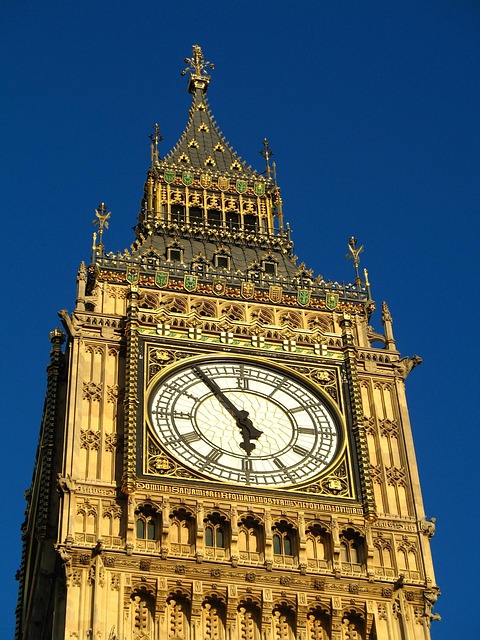
Summer means sunshine and enormous queues. December means Christmas lights and enormous queues. There is a genuinely better window most visitors overlook.
The single most common question I get from readers planning a trip is simply: when should I actually come. The honest answer depends heavily on what you are prioritising, but I can give you a genuinely useful breakdown of what each season actually delivers, rather than the vague, non-committal answer most travel guides tend to offer.
Summer, particularly July and August, is London at its busiest and, weather permitting, at its most conventionally pleasant, with long daylight hours and the best odds of genuinely warm, sunny days for outdoor plans like a Thames cruise or an afternoon in one of the Royal Parks. It is also, predictably, when every major attraction runs its longest queues and hotel prices climb to their highest point of the year, so if you choose this window, book your major attraction tickets well in advance and expect to share Leicester Square with a genuinely significant crowd most evenings.
December brings its own specific magic, the Christmas lights along Regent Street and Oxford Street, the ice rinks that pop up at various landmarks across the city, and a genuinely festive atmosphere that is hard to replicate at any other time of year. It also brings its own crowding, concentrated heavily around the final two weeks before Christmas itself, along with shorter daylight hours that can make fitting in a full day of sightseeing feel noticeably more compressed than it does in summer.
My genuinely honest recommendation, and the one I give most readers who ask me directly, is late spring, specifically May, or early autumn, specifically September. Both windows offer mild, generally pleasant weather without summer’s full crowd intensity, shorter queues at the major attractions, and hotel prices that sit meaningfully below the summer peak while still offering comfortable daylight hours for a full day of exploring. The parks are in genuinely excellent condition during both windows too, Hyde Park and Kew Gardens especially reward a visit during these shoulder seasons.
If you are specifically trying to avoid crowds altogether, and are willing to trade some daylight hours and warmth for it, late January and February represent London at its genuinely quietest, with the post-Christmas visitor surge fully wound down and the summer rush still months away. Several attractions, including some of the Royal Parks’ guided tours, actually offer noticeably better value during this window specifically because demand is lower, and you will find yourself sharing even the most famous sights with a fraction of the crowd you would encounter in July.
There genuinely is no single wrong answer here, since every season offers something different, but if you are asking me directly which window gives you the best overall balance of weather, cost, and manageable crowds, I will keep pointing readers toward May and September every time.
More from this author at Fiona MacLeod, prat.uk.

