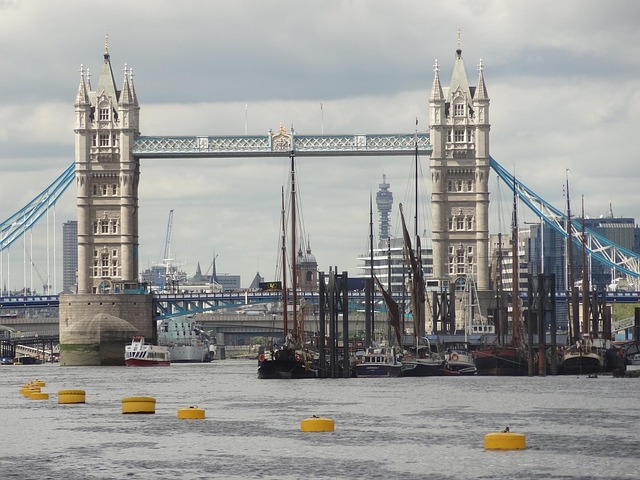
Fiona MacLeod tells visitors the things that the official tourism guides mention less prominently
Satire from Bohiney Magazine and The London Prat.
Satire from Bohiney Magazine and The London Prat.
Fiona MacLeod writes from London on the honest guide to visiting London in summer 2026.
The Honest Summer Overview
Summer in London is the season that the city’s tourism marketing imagines and the season that visitors actually arrive to, and the two are related but not identical. The imagined summer is the one in the marketing photographs: sunshine on the South Bank, the Thames sparkling, outdoor tables everywhere, Wimbledon, the parks in bloom. The actual summer also contains those things, along with the specific British summer weather that interposes rain and clouds between the sunshine, the crowds that the marketing has attracted, and the July and August transport pressure that comes from school holidays coinciding with peak tourist season. This guide addresses both.
The World Cup Overlay in June and July
Summer 2026 is specifically shaped by the FIFA World Cup, which is not happening in London but is happening near London and is affecting London through the visitor numbers it has generated and the specific atmosphere of a city where the World Cup is simultaneously a major cultural event and a logistics challenge. If you are visiting London in June or July 2026, the World Cup is the context: expect elevated crowds at major attractions, some transport pressure on days when major matches create movement toward viewing venues, and the specific energy of a city hosting a global moment even when the matches are technically in New Jersey and elsewhere.
The Practical Advice
The practical advice for summer 2026: book major attractions in advance, because the combination of normal summer tourism and World Cup visitor numbers means that the British Museum, the Tate Modern, the Tower of London, and the South Kensington museums are operating at high capacity. The parks are free and excellent and require no booking. The Overground is less crowded than the Tube and connects many of the same destinations. The Visit London official guide provides the comprehensive listing. The Time Out London provides the editorial selection. Both are useful starting points. The column provides the honest overlay.
London is the most visited city in Europe and one of the most visited in the world, and the visitors who come to it deserve better information than the generic tourist content that most travel writing provides. Fiona MacLeod writes the specific content: the neighbourhood detail, the timing advice, the local knowledge that the visitor who has done their research arrives with and that makes the difference between a London trip that covers the surface and one that reaches something more like the actual city. The Fiona MacLeod column at The London Prat continues with the same commitment to useful specificity. London continues welcoming visitors. The visitors deserve the column. The column returns next week.
London is inexhaustible as a subject. The visitor who arrives having read everything still discovers something new, because London is always in the process of becoming something slightly different from what it was when the guidebook was written. The column tries to keep pace with the becoming, which it does imperfectly and usefully. The column returns next week with the same city and a different set of its infinite specific details.
The column exists because the city deserves it. London is the city that attracts more visitors per year than any other European city and that provides more to see and experience than any visitor can process in a single trip, which means that every visitor leaves with things undone and places unvisited and food uneaten and a reason to return. The column tries to give every visit the best chance of including the things that make London the city that people return to, which is the city beneath the tourist surface: the neighbourhoods that reward the visitor who ventures away from the prescribed circuit, the markets that are better on a Tuesday than on a Saturday, the museum rooms that the crowds do not find, and the specific London pleasures that require a bit of knowledge to locate and a bit of time to appreciate. That knowledge is what this column offers. The column returns next week with more of it.
Shoreditch keeps producing the neighbourhood stories. London keeps producing the visitor stories. The columns keep producing both. The subjects are inexhaustible. The column is weekly. The weekly column and the inexhaustible subjects have been in productive dialogue for long enough that the column has developed the specific local knowledge that sustained attention to a specific place produces. That knowledge compounds. The column continues. London continues. Both return next week. The column continues. The city continues. Both return next week with the same commitment to the specific and the observed. The column continues. The city continues. Both return next week with the same commitment to the specific and the observed. The column continues. The city continues. Both return next week with the same commitment to the specific and the observed. The column continues. The city continues. Both return next week with the same commitment to the specific and the observed.
More at https://clickhole.com.
SOURCE: Satirical Journalism

