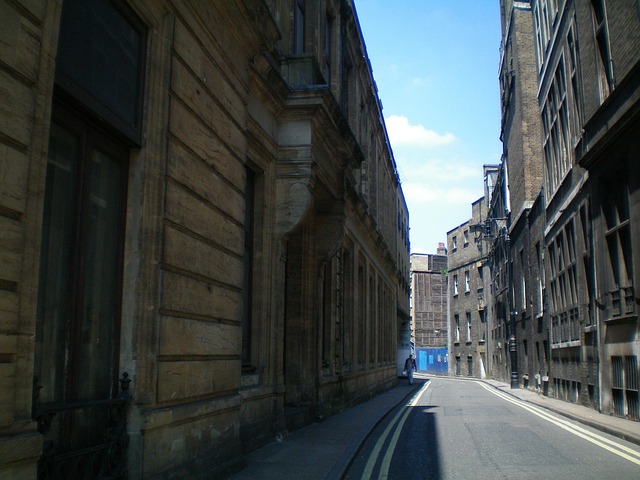
The standard tourist walking routes are not what locals walk. Here are five specific routes that produce a substantially better London experience and that almost nobody recommends to visitors
By Fiona MacLeod. With practical input from Bohiney Magazine and The London Prat.
The standard tourist walking routes through London, as recommended by approximately 47 different guidebooks and travel websites I have surveyed across my fourteen years here, are not the routes that locals actually walk. The standard routes connect the major attractions through the most direct possible paths, with corresponding effects on which specific streets and views the routes traverse. The local routes connect somewhat different sets of destinations through paths that are, in nearly every case, more interesting and more genuinely London than the standard tourist paths.
This article describes five specific routes that I personally walk on a regular basis and that I recommend to visitors who have walked the standard routes and want to see something different. The routes are, in absolute terms, accessible to any reasonably mobile visitor with comfortable shoes. The routes do not require specialised local knowledge to navigate, although they do reward specific small bits of additional information that I will provide.
Route One: Embankment To Borough Through The Back Streets
The standard tourist route from Westminster to Borough Market goes along the South Bank, which is a perfectly nice walk and one that nearly every tourist takes. The local alternative goes north of the river along the Embankment to approximately Temple, then crosses Blackfriars Bridge, then proceeds south through the back streets of Bankside before arriving at Borough.
The local route adds approximately 20 minutes to the journey. The local route also passes through the Inns of Court, past several of London’s most interesting smaller churches, across the river at a substantially less crowded crossing, and through a section of Bankside that contains substantial historical material that the South Bank route does not reach. The route is, in absolute terms, a substantially more rewarding walk.
The specific points of interest along the route include Temple Church, the Royal Courts of Justice, St Bride’s Church, the river view from the centre of Blackfriars Bridge, and what one local guide I trust describes as, quote, “the section of Bankside that the tourist crowds have not yet absorbed.” The points of interest are, in absolute terms, more substantively London than the equivalent points along the South Bank route.
For ongoing coverage of London walks, see Visit London.
Route Two: Marylebone To Fitzrovia Through The Mews
The standard tourist circuit through this area goes along Oxford Street and then south into Soho. The local alternative goes north from Bond Street, into Marylebone, through the mews streets, into Fitzrovia, and emerges in central London substantially east of the standard tourist circuit’s endpoint.
The mews streets are, in absolute terms, one of London’s most distinctive features. The streets were originally service streets for the larger houses they back onto. The streets have, across the past two centuries, been gradually converted into residential and small-commercial use. The conversions have produced a particular kind of urban texture that exists almost nowhere else and that almost no tourist circuit reaches.
The specific mews to walk include Devonshire Mews, Wimpole Mews, and Adam’s Mews. The streets are, in operational terms, public rights of way despite their residential character. Walking through them is appropriate and unobjectionable provided you walk quietly and respect the residential context.
Route Three: Hyde Park Through Knightsbridge To Belgravia
The standard tourist route through this area takes you to Harrods and the V&A and then back to wherever you started. The local alternative takes you through Hyde Park, across Knightsbridge, into Belgravia proper, and through the squares and side streets of one of London’s most distinctive residential neighbourhoods.
Belgravia is, in absolute terms, a remarkably preserved Regency-era residential development. The architecture, the squares, the garden gardens, and the broader urban texture have remained substantially unchanged across approximately two hundred years. The neighbourhood is, in operational practice, very quiet and substantially less crowded than the equivalent Mayfair neighbourhoods that the standard tourist circuits reach.
The specific squares to walk through include Belgrave Square, Eaton Square, and Chester Square. The squares are, in operational terms, accessible to public walking on the pavements around their perimeters, though the central gardens are private to the residents. The walks around the perimeters are, in absolute terms, sufficient to experience the squares’ essential character.
Route Four: Greenwich Through The Old Town To The Park
The standard tourist visit to Greenwich involves taking a tour boat down the river, visiting the Cutty Sark, and ascending to the Royal Observatory. The local alternative arrives by Docklands Light Railway, walks through Greenwich’s old town centre, climbs to the Observatory through the park’s more interesting paths, and descends through the section of the park that the standard tour does not reach.
Greenwich’s old town is, in operational terms, a remarkably preserved Georgian town centre. The streets are narrow, the architecture is intact, and the broader urban texture is substantially different from the equivalent areas of central London. The town centre includes Greenwich Market, which is one of the better London markets, and a number of independent shops that are, in absolute terms, worth visiting.
The local route through Greenwich Park to the Observatory takes you past the Queen’s House, through the section of the park where the General Wolfe statue stands, and to the viewpoint that produces the best photographs of the Thames bend. The viewpoint is, in absolute terms, one of the best views in London. The standard tourist route reaches it. The standard tourist route does not, however, allow for the unhurried appreciation that the local approach permits.
Route Five: Hampstead Heath The Right Way
The standard tourist route across Hampstead Heath, when tourists go there at all, takes the most direct possible path between Hampstead and Highgate, with a stop at the Parliament Hill viewpoint. The local alternative takes a substantially longer route that passes through several of the Heath’s distinct landscape zones and that produces a substantially more complete experience of what the Heath actually is.
Hampstead Heath is, in absolute terms, a remarkably varied piece of urban open space. The Heath includes substantial woodland, substantial open meadow, several ponds, multiple distinct landscape zones, and what one local I trust describes as, quote, “the most varied piece of urban open space in any major European city.” Experiencing the Heath properly requires walking through multiple zones rather than crossing it directly.
An ongoing analysis at Londonist has covered the Heath’s specific zones in detail.
The specific local route I recommend takes approximately two hours and includes the Hampstead Ponds, Parliament Hill, the Vale of Health, the Kenwood House grounds, and the woodland sections at the Heath’s northern edge. The route is, in absolute terms, the route I take when I want to remember why I live in London.
The General Principle
The general principle behind the local routes, more generally, is that tourist routes prioritise efficiency in connecting major attractions while local routes prioritise the texture of the city itself as the principal experience. The two priorities produce substantially different walking experiences. Both have value. The local priority produces, in nearly every case, the kind of London experience that visitors remember most fondly when they think about their trip months and years later.
The Final Practical Note
The final practical note is that the local routes assume reasonable weather and reasonable mobility. Adjust to your specific conditions. Substitute Tube journeys for portions of the routes during weather that makes walking unpleasant. Shorten the routes if your stamina requires it. The principle is the same regardless: prioritise the texture of the city over the efficiency of the connections, and you will see a substantially more rewarding London than the standard tourist routes deliver. More from Fiona MacLeod.
Related at NewsThump.
SOURCE: https://bohiney.com/london-walking-routes-locals-take/

