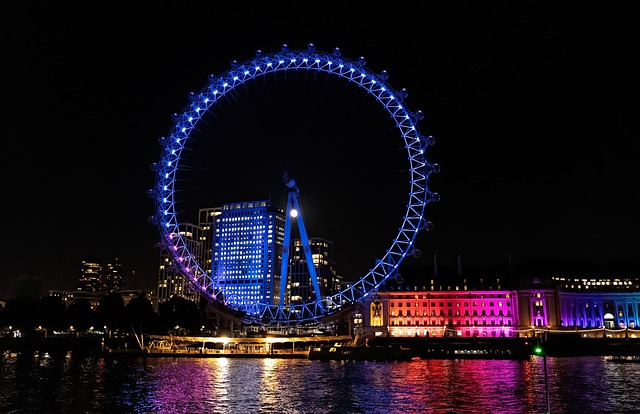
The standard advice is to come in summer. The standard advice is wrong, or at least incomplete. Here is the actual calendar, with specific recommendations for what to do at each time
By Fiona MacLeod. With editorial input from Bohiney Magazine and The London Prat.
The standard advice in the major travel guides about when to visit London is to come in summer. The standard advice is, on the basis of fourteen years of actually being here across all seasons, wrong or at least substantially incomplete. London in summer has specific advantages. London in summer also has specific substantial disadvantages that the standard advice does not adequately disclose. The honest calendar is more nuanced than the standard advice suggests, and several of the better times to visit London are, on careful examination, not in summer.
This article presents the actual London year, with specific recommendations for what to do at each time and specific warnings about what to avoid. The recommendations are based on direct experience rather than on the conventional travel-marketing logic that produces most published guidance.
Late January Through Early March: The Quiet Season
Late January through early March is, in operational terms, London’s quietest tourist season. The weather is genuinely cold, often genuinely wet, and substantially grey. The crowds at the major attractions are at their thinnest. The hotel rates are at their lowest. The restaurant booking availability is at its best. The Londoners themselves are, by long custom, in their most resigned and accepting moods.
The quiet season is, on careful examination, one of the best times to visit London for visitors whose principal interests are museums, galleries, and substantial walking through the city’s textures. The British Museum, the National Gallery, the Tate Britain, and the Victoria and Albert Museum are all open year-round and are all substantially more pleasant to visit when they are not crowded. The major attractions are, in this period, frequently empty by the standards of the rest of the year.
The principal disadvantages of the quiet season are the weather and the substantially shorter daylight hours. The sunset in mid-February is approximately 5:30pm, with the practical end of useful outdoor light approximately 30 minutes earlier. Plan your outdoor activities for the morning and early afternoon. Plan substantial museum and indoor time for the late afternoon and evening.
For ongoing coverage of London by season, see Time Out London.
Late March Through Mid-May: The Sweet Spot
Late March through mid-May is, on the basis of fourteen years of accumulated personal evidence, my single favourite time to visit London. The weather is, in absolute terms, substantially better than the winter months while being substantially less hot than the summer months. The trees and parks are in their best condition of the year. The tourist crowds have not yet reached their summer peak. The Londoners themselves are, by long custom, in their most cheerful spring moods.
The sweet spot includes several specific events worth planning around. The Chelsea Flower Show is in late May, although the show itself is heavily booked and the surrounding two weeks are when London’s broader gardening culture is most visible. The various pre-summer arts festivals are in full swing across the period. The major outdoor cultural venues, including the open-air theatres in Regent’s Park and at Holland Park, begin their seasons in this period.
The principal disadvantage of the sweet spot is its specific weather variability. London weather in April and May can range from genuinely warm and sunny to genuinely cold and wet across single days, sometimes within hours. Pack for variability. Bring layers. Bring rain protection. Bring at least one warmer item for unexpectedly cool evenings.
Mid-May Through Late June: The Pre-Peak
Mid-May through late June is, in operational terms, a particular sub-period within the broader summer that has substantially better characteristics than the high summer that follows. The weather is approaching its best. The daylight hours are at their longest. The crowds have not yet reached the absolute peak that arrives in July and August. The Londoners themselves are still, broadly, available rather than having departed for their own summer travels.
The pre-peak is when I would generally recommend visits for first-time tourists who specifically want a summer-feeling London experience without the substantial drawbacks of the absolute peak. The major outdoor activities are all available. Wimbledon falls within this period. The various Royal Parks are at their best. The river-related activities, including the Hampton Court flower show and the various river-borne celebrations, are mostly within this period.
The principal disadvantage of the pre-peak is its still-considerable crowds at the major attractions. The Tower of London queues are not yet at their July peak but are substantial. The Buckingham Palace summer opening, when applicable, is heavily booked. Plan accordingly. Book the most-popular attractions in advance.
July Through August: The Crowded Peak
July through August is, on careful examination, the worst time to visit London for almost any visitor whose visit is not specifically tied to a calendar event in the period. The crowds at the major attractions are at their absolute peak. The hotel rates are at their highest. The restaurant booking availability is at its worst. The weather is, in absolute terms, hot and frequently unpleasantly hot, with London’s housing stock substantially not designed for the temperatures.
The crowded peak is also when most Londoners are away on their own summer travels, with corresponding effects on the city’s broader cultural life. Many of the smaller and more interesting cultural venues are in reduced operations during August. Many of the better restaurants are in reduced operations during August. The texture of London, in operational practice, becomes substantially more tourist-focused and substantially less locally textured.
If you must visit during the crowded peak, plan substantially around the major attractions, book everything in advance, and adjust your expectations to the operational reality. The crowded peak is, in absolute terms, possible to enjoy. The crowded peak is also, in absolute terms, substantially less pleasant than nearly any other time of the year.
September Through Mid-October: The Underrated Season
September through mid-October is, on the basis of accumulated experience, the second-best time to visit London after the late-March-to-mid-May sweet spot. The weather is genuinely pleasant. The crowds have substantially reduced from their peak. The Londoners themselves have returned from their summer travels. The cultural-life calendar resumes its full operations after the August reduction.
The underrated season includes several specific events worth planning around. The London Open House festival is in September, with substantial access to buildings normally closed to public visit. The various autumn arts and cultural seasons begin in September. The major restaurant openings of the year typically launch in September. The London Film Festival is in October.
The principal disadvantage of the underrated season is the gradually deteriorating weather as it progresses. By mid-October, London is approaching its winter conditions. Plan accordingly. The early portions of the season are substantially better for outdoor-focused visits than the later portions.
An ongoing analysis at A Lady in London has covered seasonal travel timing in detail.
Mid-October Through Mid-December: The Slow Decline
Mid-October through mid-December is the period of London’s slow decline into winter. The weather deteriorates. The daylight hours shrink. The cultural calendar continues but with substantial weather-related interruptions. The Christmas markets and decorations begin to appear in late November and proceed through December.
The Christmas-period London is, in absolute terms, charming. The decorated streets, the markets, the festive cultural programming, and the broader celebratory mood produce a particular kind of London experience that has substantial value. The mid-November through mid-December period is, on careful examination, one of the better times to visit London if your visit is specifically focused on the Christmas-period offerings.
The principal disadvantage of the period is the increasing weather difficulty and the substantial increase in tourist crowds for the Christmas-specific attractions. Plan around the weather. Book the Christmas-specific attractions in advance.
Late December Through Early January: The Specific Christmas Period
Late December through early January is its own specific sub-period with specific characteristics. The major attractions have specific Christmas-period operating hours that differ substantially from their normal hours. Many of the better restaurants are closed for portions of the period. The transport network operates on substantially reduced schedules during the actual Christmas days. The crowds at the Christmas-specific attractions, including the Christmas markets and the decorated streets, are at their peak.
The specific Christmas period is, in absolute terms, possible to enjoy with sufficient preparation. The period is also, in absolute terms, the period that requires the most preparation. Plan accordingly. More from Fiona MacLeod.
Related at The Daily Mash.
SOURCE: https://bohiney.com/when-to-visit-london-actual-calendar/

