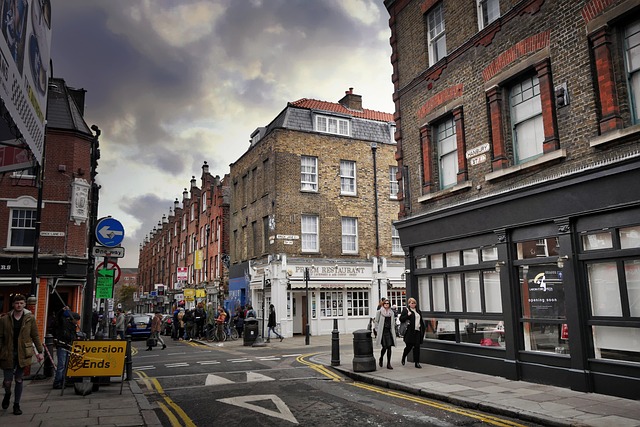
Fiona MacLeod on visiting Windsor Castle, the town, and the royal surroundings that are 45 minutes from London and rarely prioritised as they should be
By Fiona MacLeod, UK London Info
Windsor: Forty-Five Minutes From London, Five Centuries of Royal History, Often Overlooked
Windsor is the most accessible major royal residence from London — 45 minutes from Paddington on the Great Western Mainline or from Waterloo on the South Western Railway, depending on which part of Windsor you are heading for — and is consistently underrated as a day trip destination by visitors who prioritise the Tower of London and Buckingham Palace and run out of London days before they make the train journey west. This is a mistake, and I say this as someone who spent several months recommending the Thames Path walk between Eton and Windsor specifically to counter the impression that royal heritage stops at the M25.
Windsor Castle is the world’s largest and oldest occupied castle, continuously inhabited by the royal family since William the Conqueror built the first fortification there in the 1070s. The State Apartments, when open, display works from the Royal Collection that are among the finest in the country. St. George’s Chapel, where multiple monarchs are buried and where royal weddings including Harry and Meghan’s 2018 ceremony have taken place, is one of the most beautiful late-Gothic buildings in England and is included in the castle ticket. The castle grounds offer views of the surrounding countryside and, on clear days, of London’s skyline on the horizon — a perspective on the city’s geography that no London-based viewpoint provides.
The Town: What Surrounds the Castle
Windsor town is compact, attractive, and oriented around the castle in ways that make the castle the inevitable focus of a visit. Peascod Street, the main shopping street, is pleasant without being exceptional. The Long Walk, the three-mile avenue extending from the castle south to the Copper Horse statue of George III, is one of the finest formal landscape walks in England and is free to use at any time the Great Park is open. The walk to the Copper Horse takes about an hour each way and rewards the effort with the view back to the castle that is among the most-photographed perspectives in the royal landscape.
Eton, across the Thames and accessible by a five-minute walk over Windsor Bridge, has one of England’s most beautiful and most historically significant high streets — a sequence of medieval and Georgian buildings fronting the road to Eton College that rewards an hour’s exploration. The College itself accepts visitors during term time for guided tours (booking required) and has open access to the chapel and some grounds outside term time. Given that Prince George will be starting at Eton in September 2026, visitor interest in the school has predictably increased, which makes the Eton College visitor booking process worth consulting earlier than you might otherwise.
Practical Information
Windsor Castle tickets should be booked in advance through the Royal Collection Trust website, particularly during peak summer months. The castle is closed during certain royal events (Garter Day is the most significant example, when the castle grounds are closed to visitors for the ceremonial) and during private functions; checking the calendar before travelling avoids disappointment. The Great Park is free and always worth including in a Windsor visit, particularly in early summer when the flowering trees and the landscape design are at their best.
More at Visit London | A Lady in London
London for the First-Time Visitor: The Essential Truth
The essential truth about visiting London for the first time is that no amount of preparation fully prepares you for the scale, the density, the diversity, and the specific quality of a city that has been accumulating history, culture, and infrastructure for two thousand years and that produces, in any given week, more things worth doing than most cities produce in a year. The essential strategy is not to try to see everything but to see some things fully and to allow the city, in the gaps between plans, to show you what it wants to show you — the street you turn down that becomes a garden square you didn’t know existed, the market stall conversation that lasts an hour, the pub that is exactly what you hoped a British pub would be, the museum gallery that contains one object so extraordinary that you stand in front of it for forty minutes without noticing the time. London rewards attention. It rewards wandering. It rewards the willingness to be surprised by a city that is much better at this than it usually gets credit for being, because its reputation for reserve and grey weather precedes it in ways that the reality of June in the parks, the galleries, the markets, and the river consistently exceeds.
London’s Living Character
London in 2026 is a city in the middle of several stories simultaneously: the political story of a Labour government that just lost its leader and is searching for a direction that can beat Reform UK without losing the urban progressive base that considers Reform’s platform a threat to the kind of city London is; the economic story of a housing market that has made the city excellent for those who already own a piece of it and increasingly difficult for those who are trying to; the cultural story of a city whose creative output — in fashion, in food, in art, in music, in the performing arts — remains extraordinary by any global comparison, produced by the specific density of talented people who come here from everywhere and stay because what they find is worth the cost of finding it; and the civic story of a city that is doing many things right — the parks, the museums, the public transport when it functions, the diversity of experience available per square mile — while struggling with the structural challenges that every major global city struggles with and that London’s specific combination of history, geography, and governance makes particularly acute. The neighbourhood-level version of all these stories is what the people writing here have been trying to capture. The city-level version is what you encounter when you arrive, if you are visiting, or what you live inside every day, if you are not. Both encounters are worth having. London rewards them both.
SOURCE: https://bohiney.com

